
- Hospital Solutions
Empower your team with:

Hospital achieved a 70% reduction in patients leaving without being seen, while stabilizing nurse turnover.

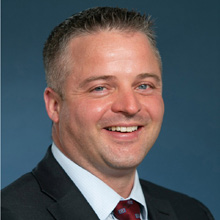
We knew we had to do something different. We were seeing high left without being seen rates, long wait times in the waiting room, and concerns about triage accuracy.
Ken Shanahan
Senior Director of Emergency Medicine, UMass Memorial Health
UMass Memorial Health wanted to improve patient access and operational strain across two campuses (University and Memorial) by addressing their increased Left Without Being Seen (LWBS) rate of 20%. The root cause was a compounding cycle of long wait times and critical staffing instability, with nurse turnover rates peaking between 20–25%. This volatility created triage bottlenecks that forced patients to leave before receiving care, creating operational and financial challenges for the medical center.
To stabilize operations and stop patient leakage, leadership implemented KATE AI to support the frontline workforce with real-time, objective clinical insights. KATE identifies anomalies at ED triage to ensure critically ill patients are prioritized correctly, acting as a “second set of eyes” for the nursing team. This capability allowed the ED to streamline triage decision-making, reducing the cognitive load on staff and ensure that resources were allocated efficiently to reduce wait times without additional headcount
Significant improvements across patient retention, workforce stability, and operational efficiency.
After implementing KATE AI in February 2023, and in addition to making other targeted interventions in the ED, the medical center successfully drove its LWBS rate down from 20% to 6%, achieving a 70% reduction in patients leaving without care.
Operationally, this intervention not only recaptured volume but also helped to stabilize the workforce. By empowering nurses with real-time AI support, the facility saw nurse turnover decrease from 20–25% to less than 2%.
We knew we had to do something different. We were seeing high left without being seen rates, long wait times in the waiting room, and concerns about triage accuracy.
Ken Shanahan
Senior Director of Emergency Medicine, UMass Memorial Health
This helps us provide more relevant information


